



Belt Magnetic Separator Placement Guide for Faster Tramp Iron Removal
Belt Magnetic Separator Placement Guide for Faster Tramp Iron Removal

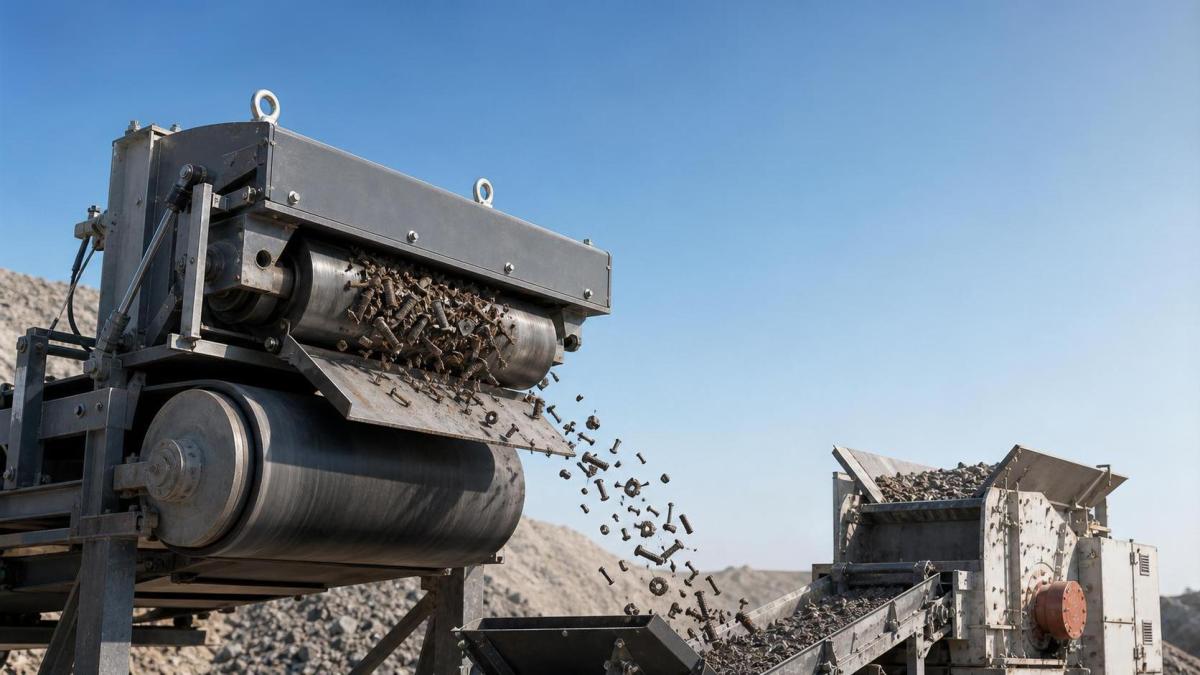
Choosing the right belt magnetic separator placement can dramatically improve tramp iron removal, reduce equipment wear, and keep bulk material handling lines running efficiently.
Correct installation is not just a maintenance detail. It directly affects throughput, safety, and total operating cost across the whole line.
In real projects, poor positioning often causes missed metal, unstable discharge, and unnecessary shutdowns. A well-placed belt magnetic separator solves those issues earlier and faster.
This guide explains where to install a belt magnetic separator, what to check before finalizing the layout, and how to improve separation speed in demanding operations.
Why Placement Matters More Than Many Teams Expect
A belt magnetic separator works best when ferrous contaminants are exposed clearly to the magnetic field. Placement decides how much exposure time the material actually gets.
If the unit sits too high, magnetic pull weakens. If it sits too close to transfer turbulence, metal pieces may be buried under product flow.
This also means location should be treated as a process decision, not only an equipment decision. Line speed, burden depth, lump size, and chute geometry all matter.
- Better metal capture before crushers, screens, and mills
- Lower wear on belts, idlers, and downstream machinery
- Less unplanned maintenance and fewer emergency stops
- More stable product quality in continuous handling systems
The Two Main Placement Options
Most projects compare cross-belt installation and inline installation. The right choice depends on material behavior and the type of tramp iron expected.
Cross-Belt Placement
A cross-belt magnetic separator is mounted across the conveyor. It is widely used when tramp iron appears randomly and must be removed continuously.
This setup suits recycling, mining, aggregates, cement, and bulk raw material lines. It is especially useful where larger iron pieces can damage core process equipment.
Inline Placement
An inline belt magnetic separator sits along the belt direction, usually above the head pulley. It works well when the conveyed layer is thin and evenly distributed.
At the head pulley, material spreads as it leaves the belt. That separation zone often gives the magnetic field a cleaner chance to attract iron quickly.
Best Installation Points on the Conveyor Line
For faster tramp iron removal, the most effective locations are usually just before sensitive equipment or at the conveyor discharge point.
Before finalizing the layout, check how the burden moves. A belt magnetic separator should see the material in its most open and least compact condition.
1. Above the Head Pulley
This is often the first choice. Material fans out at discharge, making buried iron easier to extract from the product stream.
It is a strong option for lines handling crushed stone, ores, clinker, coal, and recycled material with mixed particle sizes.
2. Over a Flat Conveyor Section
A flat section works when inline discharge mounting is not practical. It provides stable spacing, but deeper burden can reduce collection efficiency.
This placement needs tighter control of suspension height. It also benefits from a slower, more even product layer.
3. Before Crushers or Mills
Where equipment protection is the top priority, install the belt magnetic separator upstream of crushers, shredders, and grinding systems.
Even if removal is not perfect, early capture of larger tramp iron pieces can prevent costly mechanical damage and long stoppages.
Key Factors That Affect Removal Speed
Placement is the foundation, but several operating factors determine how fast and how cleanly a belt magnetic separator performs.
- Suspension height: too high reduces magnetic reach and capture force
- Belt speed: faster flow shortens exposure time for ferrous contaminants
- Burden depth: thicker layers bury metal and block magnetic access
- Material moisture: sticky product can hold iron in place during discharge
- Iron size and shape: long bars and small fines behave differently
From recent project trends, higher throughput lines need tighter placement tolerances. A few centimeters can change removal performance more than expected.
A Practical Site Checklist Before Installation
Before ordering support frames or fixing cable routes, run through a simple site review. It saves time during commissioning and reduces layout rework.
- Measure actual belt width, speed, and burden depth under load
- Confirm the main source, size, and frequency of tramp iron
- Check head pulley diameter and discharge trajectory
- Verify maintenance access for cleaning, inspection, and belt tracking
- Review nearby steel structures that may affect magnetic performance
- Reserve enough space for safe iron discharge and collection
In practice, this checklist helps align engineering, operations, and procurement. It also makes supplier recommendations far more accurate.
Common Placement Mistakes and How to Avoid Them
Many removal problems come from installation shortcuts rather than separator quality. These issues usually show up after startup, when line pressure is already high.
- Mounting too far from the belt surface
- Ignoring material trajectory at the head pulley
- Using one layout for every conveyor condition
- Leaving poor access for maintenance teams
- Selecting capacity without matching real line throughput
The better approach is to treat each belt magnetic separator as part of the line process. That leads to faster removal and more reliable long-term operation.
How to Choose a Better-Fit Solution
For industrial lines with continuous metal discharge needs, self-cleaning designs are often the practical choice. They support steady removal without frequent manual intervention.
Weifang Yuansheng Magnetic & Electrical Equipment Co., Ltd. supplies magnetic separation and conveying solutions for demanding bulk handling environments.
When a project requires stable operation, easier discharge, and stronger adaptability on site, review the Pneumatic Self-Discharging Iron Remover.
The right belt magnetic separator placement delivers better protection, cleaner product flow, and lower maintenance pressure. Start with the conveyor geometry, then build the solution around real operating conditions.
Search from here
Get Free Quotes