



How to Compare a Magnetic Separator Supplier on Testing, Delivery, and Service
How to Compare a Magnetic Separator Supplier on Testing, Delivery, and Service

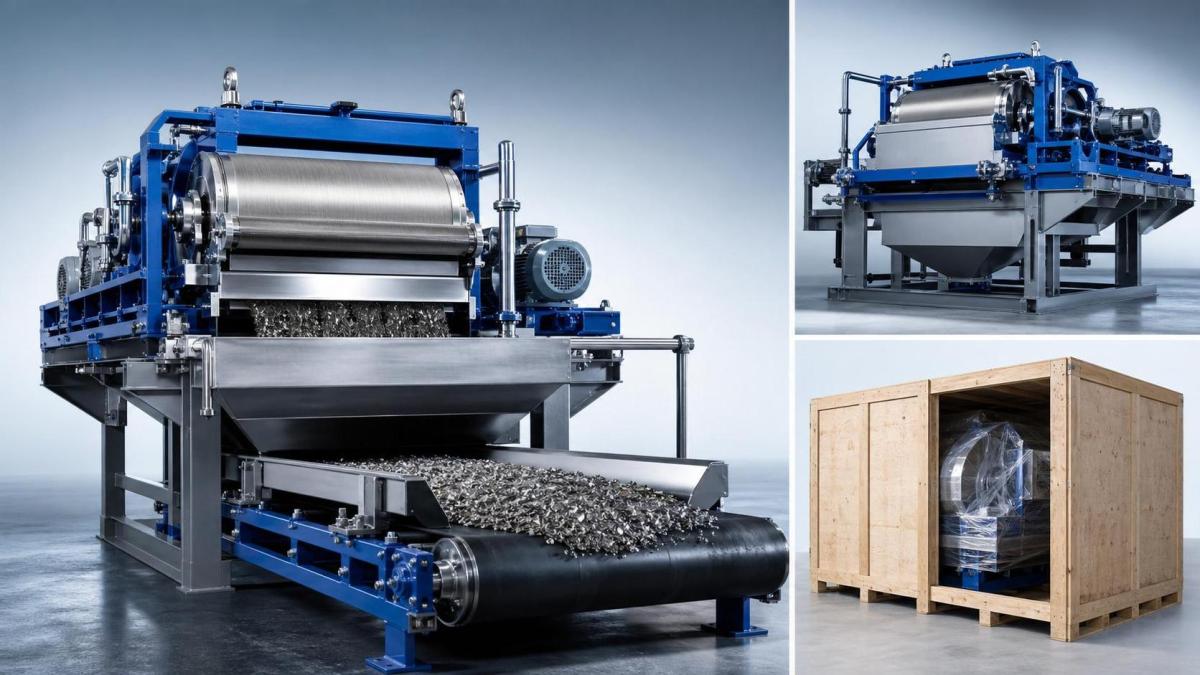
Choosing the right magnetic separator supplier is about more than price. It shapes equipment performance, delivery stability, and total operating cost over time.
A lower quote can look attractive at first. In practice, weak testing, slow shipment, or limited service often creates larger costs later.
That is why supplier comparison should follow a clear structure. Testing standards, lead time control, and after-sales support usually reveal the real value.
For buyers in general industrial spare parts, this approach reduces risk. It also helps match technical requirements with purchasing targets and budget discipline.
Start with Testing Capability, Not Just Product Claims
A serious magnetic separator supplier should prove performance with testing data. Brochures matter less than repeatable results under real operating conditions.
Ask what materials were tested, what particle sizes were used, and how separation efficiency was measured. These details show whether the supplier understands application risk.
It also helps to confirm testing standards for magnetic strength, heat resistance, and continuous operation. Stable performance matters more than peak laboratory numbers.
When comparing suppliers, review these points:
- Availability of factory testing reports
- Support for sample-based or material-specific trials
- Consistency between catalog data and test records
- Ability to explain failure limits and maintenance intervals
A reliable magnetic separator supplier will not avoid technical questions. In fact, strong answers usually indicate stronger process control behind the equipment.
Check Whether Delivery Promises Are Operationally Realistic
Delivery is often where supplier comparison becomes practical. A missed shipment can delay installation, disrupt production plans, and increase internal coordination costs.
Do not only ask for lead time. Ask how lead time is built. That includes raw material supply, core component inventory, assembly capacity, and inspection scheduling.
A dependable magnetic separator supplier should explain which models are standard and which require customization. This distinction affects both delivery speed and cost certainty.
It is useful to compare suppliers with a simple review table:
More importantly, check delivery history where possible. Past on-time performance usually tells more than optimistic sales commitments.
Evaluate After-Sales Service Before the Purchase Order
Service is easy to ignore during quotation review. Later, it becomes critical when installation, adjustment, or replacement parts are needed quickly.
A strong magnetic separator supplier should define what support is included. That may cover commissioning guidance, wiring support, troubleshooting, and spare parts response time.
Response speed matters, but clarity matters too. The best suppliers provide service boundaries, warranty scope, and technical contacts before any issue appears.
Useful questions include:
- How fast can technical support respond?
- Which spare parts are stocked?
- Is remote troubleshooting available?
- What is excluded from warranty coverage?
These answers help compare total ownership cost. A slightly higher purchase price may still be better if downtime risk is much lower.
Look at Technical Range and Industry Fit
Supplier capability also shows through product range. A broader portfolio often means better understanding of different process lines and contamination control needs.
Weifang Yuansheng Magnetic & Electrical Equipment Co., Ltd. supplies metal detectors, electric vibrators, electromagnetic iron separators, permanent magnetic iron separators, magnetic separators, conveyors, and metering systems.
That matters because equipment decisions rarely stand alone. In many plants, separation performance connects directly with feeding, conveying, batching, and line stability.
A magnetic separator supplier with adjacent system experience can usually offer better recommendations on integration, maintenance rhythm, and operating efficiency.
Use a Practical Comparison Method Before Final Selection
To make supplier review more objective, assign weighted scores. This keeps the decision grounded in business impact instead of sales presentation style.
A simple model can include testing at 35%, delivery at 30%, service at 25%, and price at 10%. The exact weighting depends on project urgency and failure risk.
This method works especially well when several offers look similar. It highlights where one magnetic separator supplier creates hidden value or hidden risk.
Before issuing the final order, confirm three things:
- Test evidence matches your material and operating target
- Lead time is supported by production reality
- Service terms are written clearly
That combination makes supplier selection more stable. It also supports cost control long after the initial purchase is complete.
Conclusion and Next Step
Comparing a magnetic separator supplier on testing, delivery, and service gives a clearer picture than price alone. It is the most practical way to reduce procurement risk.
When a project also involves material handling or magnetic lifting, related equipment review can further improve line performance and purchasing efficiency.
For that reason, it is worth exploring options such as Lifting Electromagnetic Chuck as part of a broader equipment evaluation.
A disciplined comparison process leads to better supplier decisions, fewer disruptions, and stronger long-term value from every magnetic equipment purchase.
Search from here
Get Free Quotes