



Industrial Belt Scale Buying Guide for Cement, Mining, and Aggregate Plants
Industrial Belt Scale Buying Guide for Cement, Mining, and Aggregate Plants

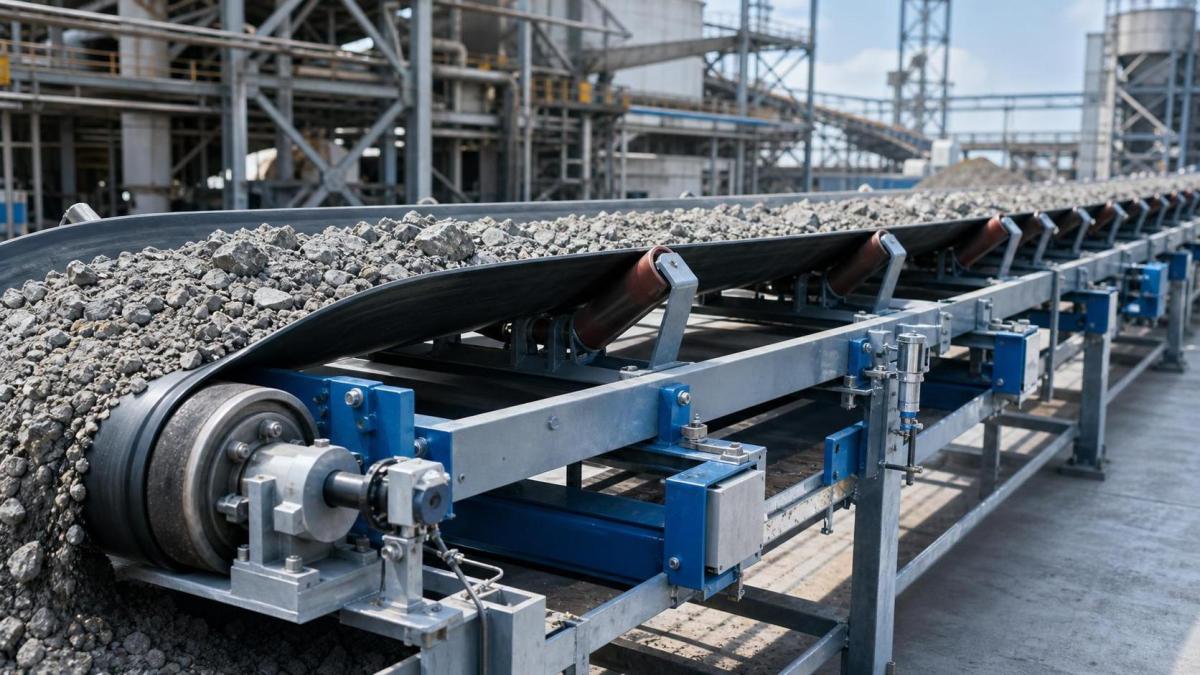
Choosing the right industrial belt scale can directly impact weighing accuracy, production efficiency, and cost control in cement, mining, and aggregate plants.
Before buying, it helps to look beyond the price tag.
A reliable industrial belt scale affects inventory visibility, process stability, and the quality of downstream reporting.
In heavy-duty plants, small weighing errors often become large financial losses over time.
That is why belt scale selection should focus on operating conditions, system fit, and service life.
Why an Industrial Belt Scale Matters in Harsh Production Environments
Cement, mining, and aggregate lines handle abrasive material, variable loads, and continuous throughput.
These conditions place real pressure on every industrial belt scale in the process.
If the weighing frame is weak, or the signal processing is unstable, readings can drift quickly.
That drift can affect batching accuracy, shipment reconciliation, and internal cost analysis.
A good conveyor belt weighing system should stay stable during vibration, dust exposure, and fluctuating feed rates.
It should also support clear calibration routines and long-term repeatability.
Key Technical Factors to Compare Before Purchase
Not every industrial belt scale is built for the same duty level.
A practical comparison usually starts with these points:
- Accuracy class under real operating load, not only lab conditions.
- Weigh bridge design and its resistance to shock, skewed loading, and belt tension changes.
- Speed sensor quality and how it handles dust, moisture, and slip.
- Controller functions, including totalizing, alarms, diagnostics, and communication protocols.
- Ease of calibration, maintenance access, and spare part availability.
From a buying perspective, the best industrial belt scale is the one that stays accurate without constant correction.
That usually delivers better value than a lower-cost unit with frequent downtime.
Quick Comparison Checklist
Installation Conditions Often Decide Real Accuracy
Many buyers focus on specifications first, but installation conditions often decide actual belt scale performance.
A strong industrial belt scale can still underperform on a poor conveyor structure.
Check the conveyor alignment, idler condition, belt tracking, and available straight run before ordering.
Feed consistency also matters.
Large surges, material buildup, and uneven loading can reduce the value of any weighing system.
In actual business operations, it is worth asking suppliers to review site photos, drawings, and conveyor data early.
That step prevents mismatch and shortens commissioning time.
Questions to Ask Before Installation
- Is there enough straight conveyor length around the weighing section?
- Are belt tension and tracking stable during normal production?
- Will dust, moisture, or heat require extra protection?
- Can the industrial belt scale connect easily with the existing control system?
System Integration and Data Value Should Not Be Overlooked
A modern industrial belt scale should do more than display tonnage.
It should support real-time monitoring, production planning, and traceable reporting.
This is especially important in plants using batching systems, metering devices, and conveyor-linked automation.
When a belt weighing system communicates smoothly with PLC or plant software, managers gain faster and cleaner operational decisions.
That also helps with energy control, material balancing, and stock management.
Weifang Yuansheng Magnetic & Electrical Equipment Co., Ltd. works across conveying, metering, separation, and batching applications.
That broader equipment experience can be useful when evaluating how an industrial belt scale fits into the whole production line.
How to Reduce Buying Risk and Choose a Supplier with Staying Power
The safest purchase decision usually comes from a structured supplier review.
Ask for application cases in cement, mining, or aggregate conditions close to your own.
Check commissioning support, training scope, and calibration guidance.
It is also smart to confirm response time for spare parts and technical service.
A low initial quote can become expensive if the industrial belt scale needs frequent correction or delayed maintenance.
More practical buyers compare total lifecycle cost, not just equipment price.
That means looking at accuracy retention, downtime exposure, service access, and upgrade potential.
A Smarter Final Decision for Plant Reliability
The right industrial belt scale is not only a weighing device.
It is part of a larger reliability strategy for bulk material handling.
When weighing accuracy improves, production planning becomes tighter and cost control becomes more dependable.
A final evaluation should cover site conditions, integration needs, maintenance demands, and supplier capability.
For plants also managing tramp iron risks on conveyor lines, it makes sense to review related protection equipment together.
One useful option is the RCDF Series Oil-Cooled Self-Discharging Electromagnetic Iron Remover, which can support cleaner, more stable conveying conditions.
A well-matched weighing and separation setup gives the production line a stronger base for long-term performance.
Search from here
Get Free Quotes