



Variable Speed Belt Scale Benefits: When Flow Control Matters More Than Fixed Speed
Variable Speed Belt Scale Benefits: When Flow Control Matters More Than Fixed Speed

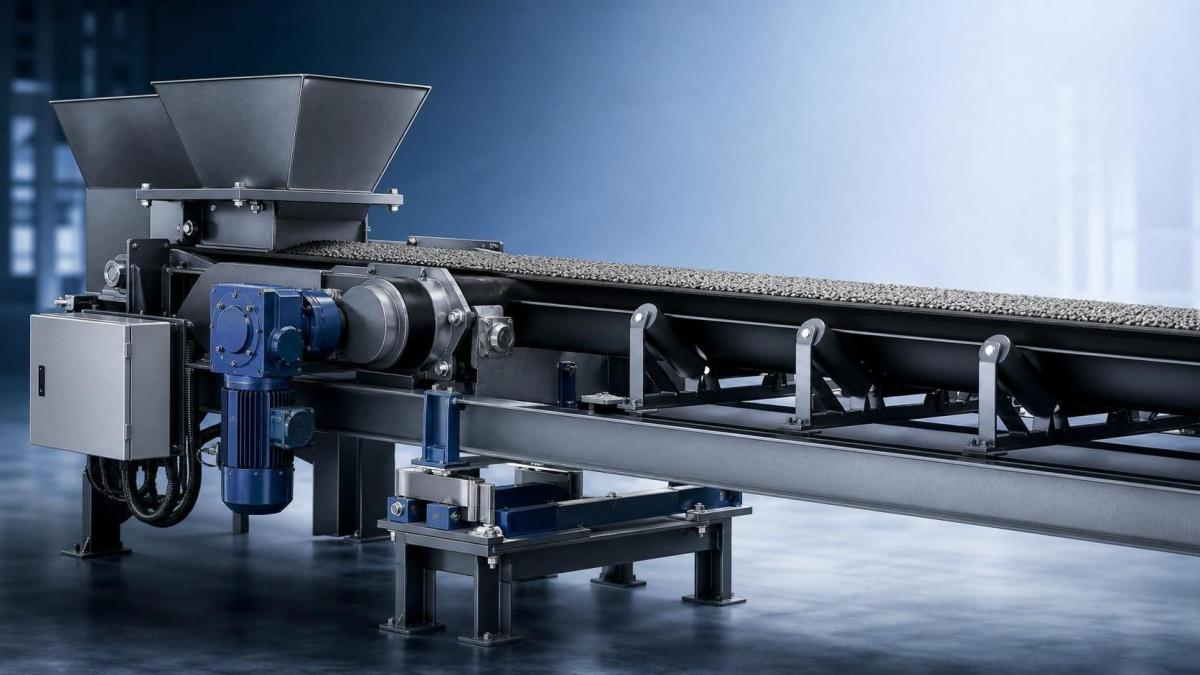
When production demands shift, a variable speed belt scale does more than weigh material. It gives operators direct control over flow, pace, and process stability.
That difference matters in plants where output changes by shift, recipe, or order mix. A fixed-speed line may measure accurately, yet still limit response time.
A variable speed belt scale combines weighing with adjustment. That means the system can react to material demand instead of forcing the process to adapt.
In practical terms, better flow control improves batching accuracy, protects product consistency, and reduces overfeeding, underfeeding, and unnecessary waste.
Why Flow Control Changes the Buying Decision
Many teams first compare belt scales by accuracy rating alone. That is important, but it is rarely the whole decision in a live production environment.
The stronger signal is process variability. If raw material moisture, particle size, or downstream load changes often, fixed speed usually becomes a bottleneck.
A variable speed belt scale helps match feed rate to actual demand. That reduces manual correction and gives the line a more stable operating window.
This is especially useful in cement, mining, recycling, chemicals, and bulk material handling. In those settings, flow fluctuations directly affect quality and energy cost.
Fixed speed works when conditions stay simple
A fixed-speed system can still fit steady processes. If one material runs at one rate for long periods, the simpler setup may be enough.
But once throughput targets move frequently, that simplicity starts creating hidden cost. Operators compensate manually, and small deviations multiply across the line.
Where a Variable Speed Belt Scale Delivers the Biggest Value
The best applications share one trait: material flow must stay aligned with changing production conditions. That is where control becomes more valuable than simple measurement.
- Batching lines where recipes change by product or customer order
- Pre-feeding systems that must protect crushers, mixers, or mills
- Processes with variable upstream supply and uneven material density
- Plants aiming to cut giveaway, rework, or energy waste
- Operations integrating automation and closed-loop control
In each case, a variable speed belt scale supports faster correction. The process stays closer to target without constant operator intervention.
Typical business outcomes
The return usually appears in four areas: less material loss, tighter product consistency, smoother equipment loading, and better data for process improvement.
Those gains may look small per hour. Across months of production, they often justify the upgrade faster than expected.
Key Selection Factors Before You Invest
Choosing the right variable speed belt scale starts with process detail, not catalog comparison. The equipment must fit both the material and the control objective.
- Define the required feed range, not only the nominal throughput.
- Check whether the material is dusty, sticky, abrasive, or uneven.
- Confirm the needed control accuracy under real operating conditions.
- Review integration with PLC, batching software, and plant automation.
- Evaluate maintenance access, calibration time, and spare part availability.
This step is where some projects go off track. A variable speed belt scale may be technically suitable, yet poorly matched to the actual control range.
That mismatch can reduce accuracy at low flow or create unstable response at high flow. Selection should focus on the full operating envelope.
A simple comparison view
How to Reduce Risk During Implementation
Even the right variable speed belt scale needs disciplined rollout. Most performance issues come from installation detail, calibration practice, or weak system integration.
A reliable supplier should help review feed consistency, mechanical layout, sensor stability, and control logic before commissioning starts.
Weifang Yuansheng Magnetic & Electrical Equipment Co., Ltd. works across conveying, metering, batching, separation, and bulk handling equipment.
That broader system experience matters because flow control rarely stands alone. A belt scale performs best when the surrounding process is equally well designed.
Implementation checklist
- Verify belt tension, alignment, and material loading consistency
- Set control parameters for both low-flow and peak-flow conditions
- Schedule routine calibration using actual operating material
- Train operators on response behavior, not only interface use
- Track variance trends after startup and fine-tune the control loop
These steps help turn a variable speed belt scale from a purchased device into a measurable process improvement tool.
When Adjustable Speed Is the Smarter Choice
If production is stable, fixed speed may remain adequate. If demand, material behavior, or quality targets change often, the decision usually shifts toward control.
That is why a variable speed belt scale often becomes the better long-term investment. It supports faster decisions, steadier output, and more predictable operating cost.
For facilities reviewing broader material handling upgrades, it also helps to assess related equipment that supports lifting, separation, and scrap processing workflows.
One practical next step is to review MW61 Series Lifting Electromagnet for Scrap Steel alongside your conveying and metering plan, especially when metal handling efficiency also affects plant performance.
Search from here
Get Free Quotes