



What Affects Belt Scale Price? 7 Cost Drivers Buyers Should Compare
What Affects Belt Scale Price? 7 Cost Drivers Buyers Should Compare
When evaluating belt scale price, a quote alone rarely tells the full story.
Real cost depends on accuracy, plant conditions, configuration, service scope, and expected operating life.
That matters because a lower upfront number can still create higher cost over time.
For budgeting and approval, the better question is simple: what exactly is included, and what risk is left out?
Below are seven cost drivers that have the biggest impact on belt scale price and long-term value.
1. Weighing Accuracy Requirements
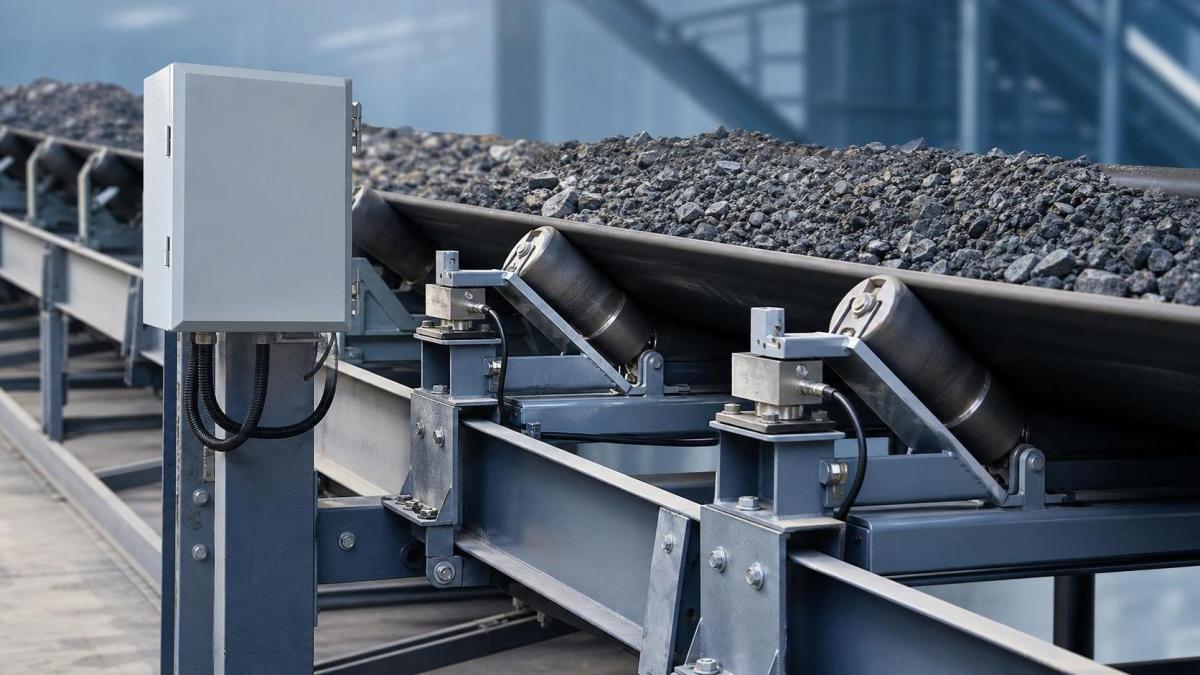
Accuracy is usually the first factor affecting belt scale price.
A system built for basic process control costs less than one used for trade settlement or tight batching.
Higher accuracy often requires better load cells, more stable frames, improved speed sensing, and stricter calibration methods.
This also means more engineering time and more quality checks before shipment.
When comparing suppliers, ask what accuracy is guaranteed under real site conditions, not just in ideal factory testing.
2. Scale Structure and Number of Idlers
The mechanical structure directly changes belt scale price.
Single-idler models are usually more economical and suitable for lighter-duty applications.
Two-idler or four-idler designs cost more, but they can improve measurement stability on demanding lines.
Heavier frames also help reduce vibration effects, especially where material flow is uneven.
In practical terms, buyers should compare the operating environment before choosing the lowest-cost frame.
3. Conveyor Conditions and Installation Complexity
Not every conveyor is ready for a standard installation.
Short transition distances, poor alignment, limited access, and unstable supports can all raise belt scale price.
Some projects need structural modification, extra mounting parts, or longer commissioning time.
Those costs may appear outside the main quotation, which creates budgeting gaps later.
A useful check is to request a site-condition review before final approval.
- Conveyor width and speed range
- Available straight belt length
- Material loading consistency
- Space for maintenance access
4. Materials, Protection Level, and Durability
Material selection has a clear impact on belt scale price, especially in harsh industries.
Carbon steel is common for standard environments and usually supports a lower purchase budget.
Stainless steel, corrosion-resistant coatings, sealed junction boxes, and higher IP ratings raise cost.
However, in wet, dusty, or corrosive conditions, they often reduce downtime and replacement frequency.
This is where total ownership cost becomes more useful than comparing quote totals alone.
5. Electronics, Controls, and Data Integration
Modern belt scale price often reflects more than the weighing frame.
The integrator, display, communication protocol, and software functions all change the final number.
Basic systems may only show flow rate and totalized weight.
Advanced versions may connect with PLC, DCS, batching, or plant-level reporting platforms.
For many operations, integration saves labor and improves traceability, but it should be evaluated as a business need.
6. Calibration, Testing, and Commissioning Scope
A low belt scale price can exclude important startup work.
That may include onsite calibration, test-chain setup, material testing, or operator training.
Without those items, the system may never achieve the promised performance.
This is a common source of post-purchase disputes and unplanned service expense.
It is worth asking each supplier to break out commissioning scope line by line.
7. Supplier Capability and After-Sales Support
Supplier strength affects belt scale price in ways that are easy to overlook.
Experienced manufacturers often include better documentation, faster technical response, and more reliable spare parts support.
That may raise the purchase figure slightly, but it can lower operating risk.
Weifang Yuansheng Magnetic & Electrical Equipment Co., Ltd. provides industrial equipment across conveying, separation, detection, and metering applications.
That broader system background is useful when buyers need equipment to work reliably inside larger process lines.
How to Compare Belt Scale Price More Effectively
A practical comparison should go beyond unit price.
- Match accuracy to the real business purpose.
- Confirm what installation work is included.
- Review electronics and integration needs early.
- Check durability against the actual plant environment.
- Compare service response, warranty, and spare parts support.
When these points are clear, belt scale price becomes easier to judge as an investment, not just an expense.
For projects involving broader material handling and magnetic equipment selection, it also helps to review related solutions such as Lifting Electromagnet to build a more complete purchasing plan.
Search from here
Get Free Quotes