



When Is a Permanent Magnetic Iron Separator for Recycling the Better Choice?
When Is a Permanent Magnetic Iron Separator for Recycling the Better Choice?

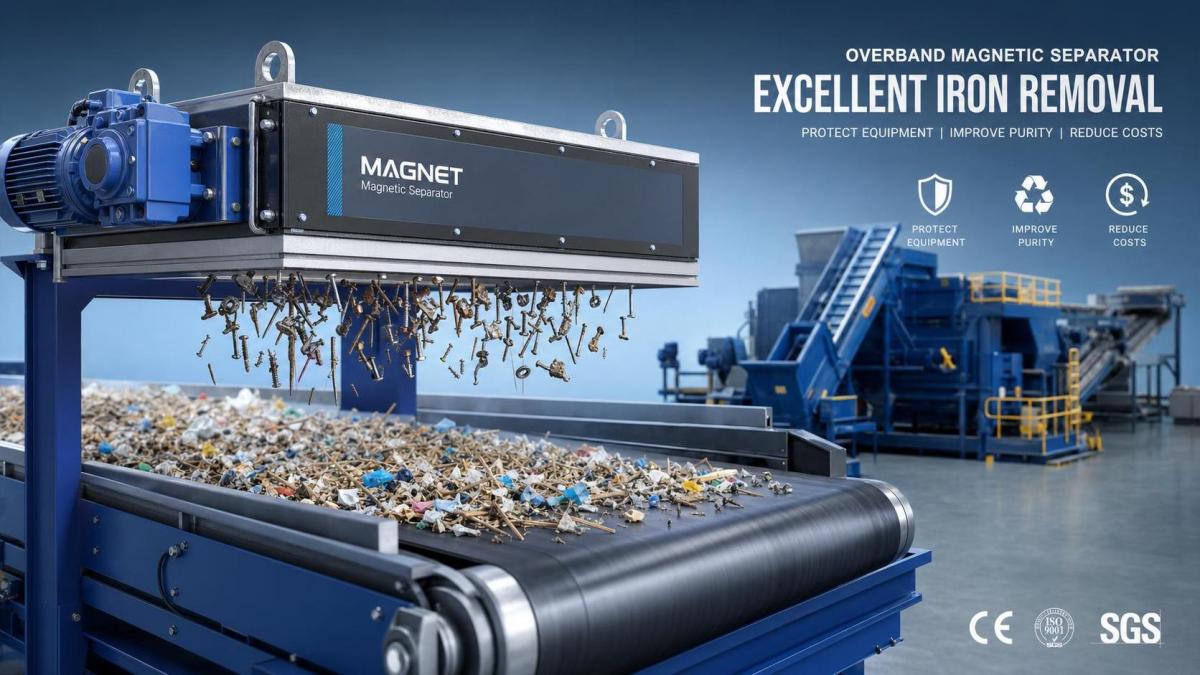
For recycling operations focused on long-term efficiency and stable performance, choosing a permanent magnetic iron separator for recycling can be a smart investment.
It removes ferrous contaminants without ongoing power use. That matters when energy costs, uptime, and maintenance discipline affect margins every day.
The key question is not whether magnetic separation works. The real issue is when a permanent magnetic iron separator for recycling delivers better business value than other options.
In practical terms, the answer depends on material flow, contamination patterns, operating hours, and the level of process control required.
Why Recycling Lines Often Prefer Permanent Magnetic Separation
A permanent magnetic iron separator for recycling works continuously once installed. There is no need for excitation power to create the magnetic field.
That makes it attractive for plants handling scrap, plastics, wood waste, municipal waste, or construction debris over long shifts.
Compared with systems that depend on constant electrical input, permanent units usually offer three clear operational advantages:
- Lower running costs over time
- Simpler daily maintenance routines
- Stable performance in fixed process conditions
This also means fewer variables during production. For many operators, predictability is just as important as peak separation strength.
Best-Fit Scenarios for a Permanent Magnetic Iron Separator for Recycling
Not every line needs the same separator. A permanent magnetic iron separator for recycling becomes the better choice under several common conditions.
1. The Ferrous Contamination Is Frequent but Consistent
When iron contaminants appear regularly and stay within a predictable size range, permanent magnetic separation performs especially well.
Examples include nails in wood waste, steel fragments in shredded plastics, and tramp iron in aggregate or recovered solid fuel streams.
2. The Plant Runs Long Hours
The longer the operating schedule, the stronger the case for reducing power consumption. Continuous shifts amplify energy savings significantly.
Over months and years, the lower operating burden can outweigh a narrow comparison based only on initial equipment price.
3. Maintenance Resources Are Limited
Some facilities cannot afford frequent shutdowns or highly specialized maintenance support. Permanent systems are often easier to manage in these settings.
With fewer electrical components tied to magnetic generation, routine inspection becomes more straightforward and downtime risk can drop.
4. The Goal Is Equipment Protection as Much as Metal Recovery
Many buyers focus first on recovered metal value. In reality, protecting crushers, grinders, conveyors, and screens may generate even larger savings.
A permanent magnetic iron separator for recycling helps remove damaging ferrous pieces before they trigger wear, impact damage, or emergency repairs.
When Another Separator May Be Better
A permanent magnetic iron separator for recycling is not automatically the best answer in every process.
If contamination levels change sharply, or if very deep magnetic reach is required, an electromagnetic system may deserve closer review.
The same applies when material beds are unusually thick, moisture content is unstable, or separation targets involve difficult particle behavior.
That is why line design should start with process facts, not product preference. Good separator selection is always application-led.
How to Evaluate the Right Application
Before choosing a permanent magnetic iron separator for recycling, it helps to review a short list of decision points.
In real operations, the best decisions come from combining these factors instead of reviewing them in isolation.
Practical Benefits Beyond Energy Savings
Energy savings often lead the discussion, but they are not the whole story.
A well-matched permanent magnetic iron separator for recycling can improve product purity, reduce complaint risk, and support more stable downstream throughput.
For facilities processing recycled plastics, biomass, slag, or mixed industrial waste, those operational gains can be commercially significant.
More importantly, stable iron removal supports planning. It reduces surprises across maintenance, product quality, and delivery schedules.
Making the Final Choice
A permanent magnetic iron separator for recycling is usually the better choice when the process is continuous, contamination is predictable, and cost control matters over the full equipment life.
It is especially effective when the business goal includes both metal removal and protection of valuable downstream machinery.
Weifang Yuansheng Magnetic & Electrical Equipment Co., Ltd. provides magnetic separation and related process equipment for demanding industrial applications.
For operations that need a guided next step, reviewing solutions like Electric Rotary Iron Remover can help connect application needs with a practical installation path.
The right separator choice comes from matching separation method, material behavior, and operating economics early in the project.
Search from here
Get Free Quotes