



Electronic Belt Scale Basics: What It Measures and Where It Fits Best
An electronic belt scale measures the mass flow of bulk material while it moves on a conveyor. That simple function matters because many plants need continuous weighing without stopping production.
In cement, mining, and general material processing, flow data affects batching, stock control, energy use, and downstream stability. A well-matched electronic belt scale becomes part of process control, not just a weighing accessory.
What an electronic belt scale actually measures
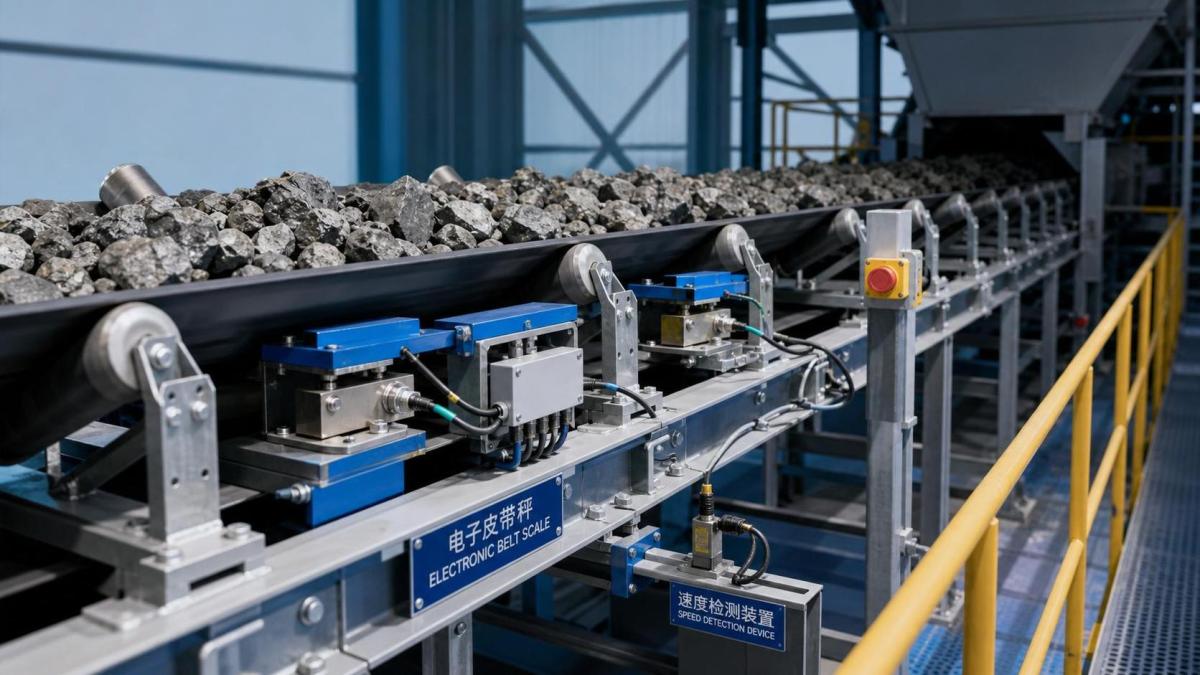
At its core, an electronic belt scale measures two things at the same time: belt load and belt speed. The system combines those values to calculate throughput, usually in tons per hour.
It can also total the amount of material conveyed over time. That makes it useful for daily production records, truck loading estimates, blending control, and material balance checks.
The weighing section typically uses load cells mounted under one or more idlers. A speed sensor tracks belt movement. The controller then converts these signals into a stable flow reading.
Simple in concept does not mean simplistic in practice. Material profile, belt tension, vibration, and installation quality all influence whether the final number is trustworthy.
Why the topic keeps getting attention
Plants are under pressure to reduce waste and tighten process visibility. When solids move continuously, spot checks and manual sampling rarely provide enough information for control decisions.
That is why the electronic belt scale remains relevant across general spare parts and conveying systems. It supports decisions around feeder settings, batching accuracy, maintenance timing, and inventory reconciliation.
For companies working across conveying and metering equipment, this connection is practical. Weifang Yuansheng Magnetic & Electrical Equipment Co., Ltd. operates in conveyors, microcomputer metering devices, cement batching systems, separators, and related process equipment.
In that environment, weighing is rarely isolated. It interacts with material separation, vibration feeding, transport continuity, and process automation.
Where an electronic belt scale fits best
The best use cases share one feature: bulk solids moving steadily on a conveyor where non-stop measurement is more valuable than static weighing.
Typical operating scenarios
It is less ideal where the conveyor is very short, loading is erratic, material sticks heavily, or belt conditions change constantly. In those cases, another weighing method may be easier to stabilize.
What affects accuracy in real operations
Many comparisons focus on rated accuracy alone. In practice, installation and operating conditions often matter more than brochure numbers.
- Stable, straight belt travel through the weighing section
- Consistent material loading across the belt width
- Minimal buildup on idlers and structure
- Proper calibration with realistic operating loads
- Protection from excessive vibration, drafts, and mechanical shock
A good electronic belt scale should also be viewed as part of system maintenance. Load cells, speed sensors, belt condition, and calibration routines need regular attention.
That is especially true where conveyors sit near magnetic separators, iron removers, vibratory feeding equipment, or dusty transfer zones. Nearby equipment can affect flow consistency and measurement quality.
How to evaluate a solution before selection
A useful starting point is not the instrument alone, but the material route around it. Throughput range, lump size, moisture, belt speed, and control objectives should be reviewed together.
Questions worth answering early
- Is the goal inventory tracking, process control, trade reference, or batching support?
- How stable is the conveyor loading from hour to hour?
- Will the scale connect to a microcomputer metering or plant control system?
- How much space exists for a proper weighing frame and straight belt run?
- What maintenance discipline can the site realistically sustain?
These questions usually reveal whether an electronic belt scale will deliver dependable process data or only occasional estimates. The difference is important when weighing results influence recipe control or production reporting.
A practical next step
For most operations, the right approach is to map the conveyor line, define the needed accuracy, and compare actual site conditions against the scale design. That creates a clearer basis than comparing product labels alone.
It also helps to review upstream and downstream equipment as one process chain. In solids handling, weighing, conveying, separation, and dewatering often affect each other more than expected.
When broader material handling decisions are under review, it can be useful to look at related process equipment as well, including solutions such as PGT Disc Filter. That kind of comparison supports a more complete evaluation of flow, recovery, and plant efficiency.
Search from here
Get Free Quotes