



How to Evaluate an Electromagnetic Iron Separator Manufacturer Before Ordering
What should you really check before choosing an electromagnetic iron separator manufacturer?

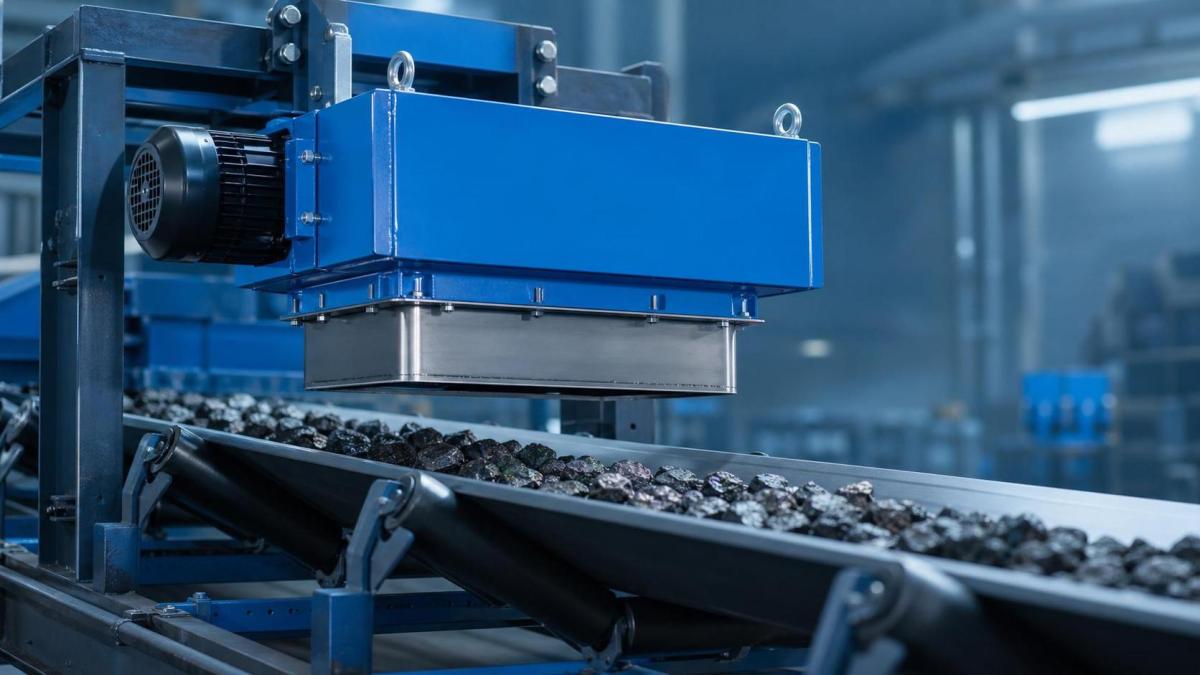
Price matters, but it rarely tells the full story.
When evaluating an electromagnetic iron separator manufacturer, the bigger question is long-term operating value.
A poor match can lead to unstable separation, higher maintenance, and frequent production interruptions.
A stronger supplier usually helps reduce those risks through better design, testing, and support.
In practical sourcing work, delivery time and quoted cost are only the starting point.
The more useful evaluation looks at technical depth, material handling experience, customization range, and response after installation.
This is especially relevant in general industrial spare parts procurement, where equipment reliability affects several connected systems.
For that reason, many buyers compare the electromagnetic iron separator manufacturer in the context of the whole process line.
How can you tell whether the manufacturer has real technical strength?
A capable electromagnetic iron separator manufacturer should explain more than model numbers.
It should be able to discuss magnetic field design, coil performance, heat control, duty cycle, and installation conditions.
That technical discussion often reveals whether the supplier builds equipment for real operating conditions or only for catalogs.
Useful questions include the type of conveyed material, belt width, burden depth, iron contamination size, and working temperature.
If the supplier asks detailed process questions early, that is usually a good sign.
It also helps to review product range.
A company experienced in metal detectors, conveyors, magnetic separators, and metering systems often understands line integration more clearly.
That broader background can improve equipment matching and reduce compatibility issues later.
A quick technical review table
Before requesting a final quote, compare suppliers against a few practical checkpoints.
Is product quality only about magnetic force?
Not really. Magnetic force is important, but it is only one part of equipment quality.
The better question is whether separation performance stays consistent during continuous operation.
An electromagnetic iron separator manufacturer should provide clear information about coil insulation, housing strength, cooling method, and electrical safety.
In actual use, unstable temperature control can weaken performance and increase failure risk.
Surface finish, cable routing, sealing, and access for maintenance also matter more than many buyers expect.
If possible, request factory inspection records, material details, and photos from recent completed units.
That gives a better picture than polished brochures.
- Check whether components come from stable and identifiable sources.
- Ask how each unit is tested before shipment.
- Confirm whether documentation includes wiring, maintenance, and troubleshooting details.
When does customization become necessary rather than optional?
Customization becomes important when the production line has non-standard dimensions, unusual material flow, or strict contamination control targets.
This is where one electromagnetic iron separator manufacturer may differ sharply from another.
Some suppliers can adjust suspension height, excitation level, control system, and structural layout.
Others can only offer fixed designs with limited changes.
A customized solution is often worth considering if your line includes conveyors, feeders, detectors, or batching equipment that must work together.
Manufacturers with wider system experience usually handle these interfaces better.
Needless customization, however, can increase cost and delay delivery.
A practical approach is to separate essential process changes from cosmetic preferences.
What hidden costs are easy to miss during supplier comparison?
The quoted machine price is usually the most visible number, but it is rarely the total cost.
An electromagnetic iron separator manufacturer should be evaluated on energy use, wear parts, downtime risk, lead time stability, and service access.
A lower initial quote may become expensive if the unit requires frequent adjustment or replacement parts with long delivery cycles.
It is also worth checking whether installation guidance is included.
Incorrect mounting height or wrong operating settings can reduce separation efficiency from day one.
Many sourcing problems are not product defects. They start with incomplete technical confirmation before ordering.
- Clarify power requirements and site conditions.
- Confirm spare parts availability for at least one planned service cycle.
- Review warranty terms with response time, not only duration.
- Ask what commissioning support is available after delivery.
How do you make the final decision with less sourcing risk?
A reliable decision usually comes from matching the supplier to the operating scenario, not from chasing the lowest quote.
Start with the application basics.
Define conveyed material, impurity size, throughput, environmental limits, and integration points with the existing line.
Then compare each electromagnetic iron separator manufacturer against the same checklist.
That keeps the evaluation consistent and makes differences easier to see.
For businesses working across magnetic separation and related handling equipment, suppliers with broader industrial equipment experience can offer more grounded recommendations.
Weifang Yuansheng Magnetic & Electrical Equipment Co., Ltd., for example, covers electromagnetic and permanent magnetic separators, metal detectors, conveyors, electric vibrators, and process control equipment.
That kind of product coverage can be useful when your order needs to fit into a larger plant workflow.
If you are also comparing separation methods for different materials, it may help to review related options such as CTS (N / B) Permanent Magnetic Drum Separator and assess whether a permanent magnetic setup better suits part of the process.
The most useful next step is simple: organize your technical requirements, list the real operating constraints, and request answers that can be verified.
That makes it much easier to identify the right electromagnetic iron separator manufacturer before placing the order.
Search from here
Get Free Quotes