



How to Choose a Belt Scale for Conveyor Systems with Changing Material Flow
Choosing a belt scale for conveyor systems with changing material flow is rarely a simple equipment decision. When feed rates rise and fall, materials vary in bulk density, and upstream devices introduce uneven loading, weighing accuracy can drift quickly. In general spare parts and conveying systems, that drift affects inventory control, batching consistency, energy use, and production cost at the same time.
Why changing flow makes selection more demanding
A belt scale for conveyor measures material by combining belt load and belt speed. That sounds straightforward, but unstable flow changes the conditions under which both values are captured.
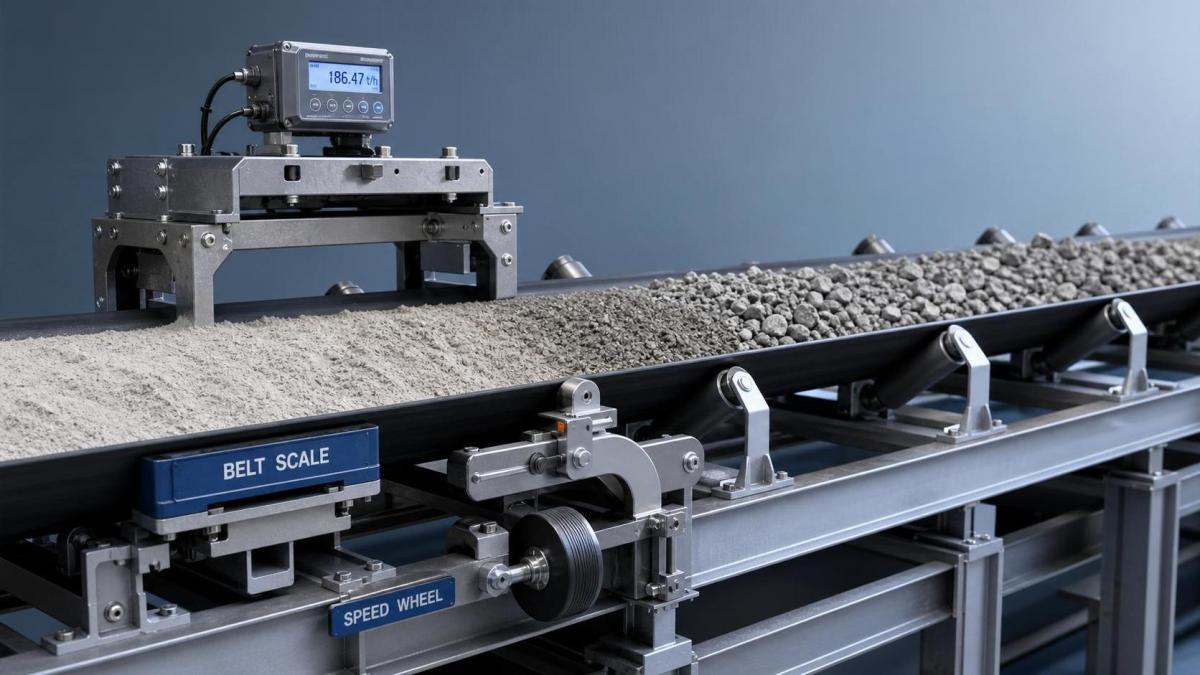
In practical lines, the belt may carry light loading for one period and surge loading the next. Fine powders, pellets, clinker, aggregates, and blended materials also behave differently on the belt surface.
This is why selection should focus less on catalog capacity alone and more on how the scale behaves across a realistic operating range.
The main risk behind unstable flow
When a scale is optimized only for steady loading, low-flow periods may become noisy and high-flow periods may create mechanical stress or signal distortion.
Over time, that leads to repeated recalibration, poor batch control, and disputes between process data and actual output.
Start with the real flow profile, not the nameplate
The first useful comparison point is the material flow profile. Minimum, normal, and peak throughput all matter. A belt scale for conveyor should remain reliable through that full range.
Short spikes are especially important. Some lines appear stable in hourly data, yet show sharp minute-level changes that influence weighing performance.
A good evaluation asks whether the instrument can track variation without becoming overly sensitive to vibration or temporary belt disturbance.
Material behavior often decides performance
Material characteristics influence the belt scale for conveyor as much as mechanical design. Bulk density shifts, moisture changes, lump size, and flowability all affect the load distribution seen by the weigh frame.
Powdery material may build up around idlers. Sticky material may cling to the belt. Coarse material may create impact loading at transfer points.
What to check in material assessment
- Whether the load sits centrally or shifts to one side
- How moisture changes seasonal weight behavior
- Whether fines or adhesion will affect belt cleanliness
- Whether the feed point creates impact before the scale zone
These details are often more useful than generic accuracy claims because they reveal how the system will behave after installation.
Mechanical layout matters more than many expect
Even a high-quality belt scale for conveyor will struggle if the conveyor section is unsuitable. The weighing area needs stable idlers, proper belt tension, and enough straight run before and after the scale.
Misalignment, poor splicing, excessive vibration, and variable belt speed all reduce confidence in measured results.
This is especially relevant in integrated systems. Weifang Yuansheng Magnetic & Electrical Equipment Co., Ltd. works across conveyors, magnetic separators, metal detectors, electric vibrators, and microcomputer metering devices, so the weighing section should be judged as part of the full material-handling path.
A practical site checklist
- Frame rigidity around the proposed scale position
- Distance from feeders, chutes, and impact zones
- Condition of idlers and belt tracking
- Exposure to dust, humidity, and cleaning procedures
- Access for calibration and future maintenance
Signal processing and system compatibility
In changing-flow applications, electronics are not secondary. The controller should manage speed input, load-cell stability, filtering logic, and communication with plant control systems.
Usually, the right choice depends on how the scale data will be used. Real-time dosing, production accounting, and process optimization each require different response behavior.
If the conveyor is part of a batching or metering line, integration with microcomputer weighing and batching systems becomes a direct selection factor rather than an afterthought.
Useful questions during comparison
- How quickly should the reading respond to flow change?
- What communication protocols are required onsite?
- Can the system separate noise from genuine load variation?
- How easy is zero calibration under local operating conditions?
How to judge value beyond a quoted accuracy figure
Published accuracy is useful, but it should not be read in isolation. The more relevant question is whether the belt scale for conveyor can sustain credible performance after months of variable production.
A stronger choice usually combines mechanical stability, suitable weighing span, dependable electronics, and support for calibration routines that match the site.
It also helps to compare the total operating burden. Frequent cleaning, repeated adjustment, or difficult spare part replacement can erase the value of a lower purchase price.
Turning evaluation into the next decision
A sound review process begins with actual conveyor data, then moves through material behavior, installation constraints, and control requirements. That sequence makes it easier to shortlist a belt scale for conveyor that fits the line instead of forcing the line to fit the scale.
For broader handling systems, it is also worth reviewing adjacent equipment that affects feed stability, contamination control, and maintenance access. In many plants, weighing performance improves when the full conveying and separation arrangement is considered together.
That same approach can guide nearby lifting and material-handling choices. For related equipment review, see Lifting Electromagnetic Chuck as part of a wider equipment comparison and system planning process.
Search from here
Get Free Quotes