



How to Choose a Powder Magnetic Separator Without Losing Fine Product Yield
How to Choose a Powder Magnetic Separator Without Losing Fine Product Yield

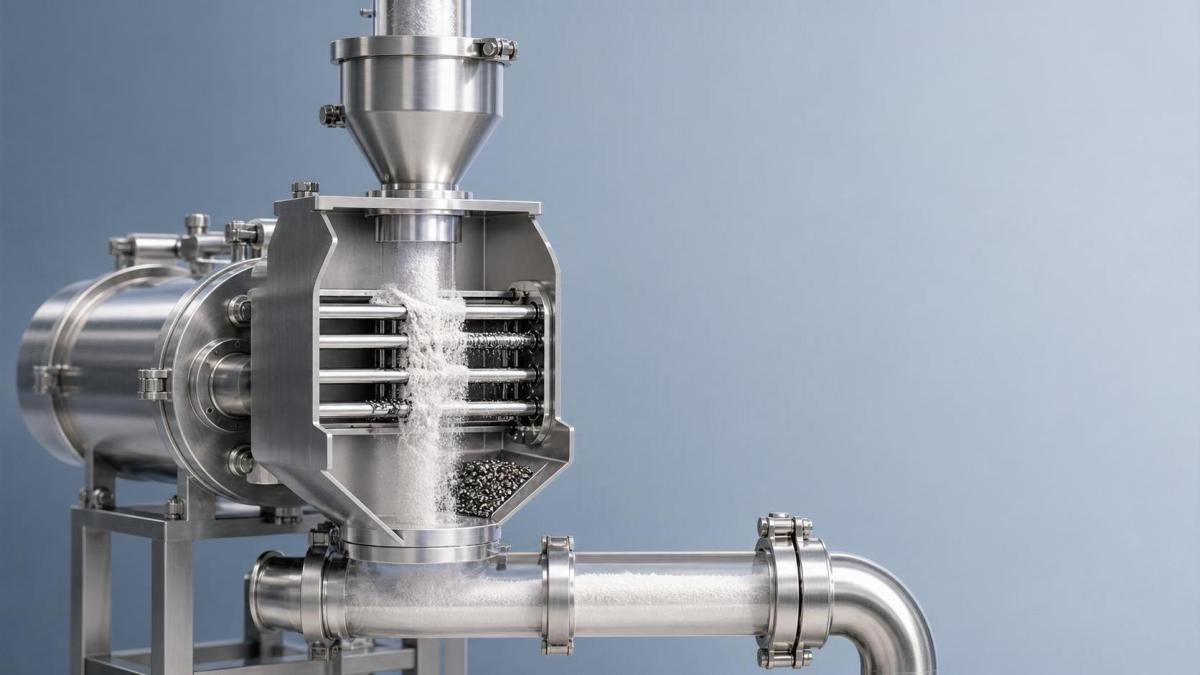
Choosing a powder magnetic separator is not only about stronger magnetism.
The real goal is to remove ferrous contamination without pulling away valuable fine powder.
That balance matters in minerals, chemicals, food additives, battery materials, and building materials.
When yield drops, the separator may look effective on paper, but the process cost rises quickly.
A good powder magnetic separator should protect purity, throughput, and recoverable product at the same time.
This is why equipment selection needs a process view, not a single-parameter comparison.
Start with the Powder, Not the Magnet
The first selection step is understanding the powder itself.
Particle size, moisture, flowability, bulk density, and iron content all change separator behavior.
Fine and light powders can cling to magnetic surfaces more easily than coarse material.
That means an oversized magnetic field can capture both tramp iron and usable product.
In actual production, sticky or aerated powder often causes more yield loss than low magnetic intensity.
Before selecting a powder magnetic separator, document these points clearly:
- Target particle size range and percentage of ultrafine material
- Type of iron contamination, including weakly magnetic particles
- Required throughput under normal and peak conditions
- Moisture level, temperature, and dust behavior
- Allowable product retention on the magnetic surface
This basic profile helps avoid choosing a powder magnetic separator that is too aggressive for the application.
Focus on Separation Efficiency and Yield Together
A common mistake is judging performance only by iron removal rate.
A better evaluation uses two linked results: contamination reduction and fine product recovery.
If one improves while the other falls sharply, the separator is not truly optimized.
From a decision standpoint, ask suppliers for test data that shows retained powder weight after cleaning.
That number gives a much clearer signal than magnetic strength alone.
It also helps compare different powder magnetic separator designs under real operating conditions.
Check the Feed Method and Flow Stability
Even the best powder magnetic separator performs poorly with unstable feeding.
Uneven flow creates local overload, short residence time, and inconsistent separation zones.
This often causes both missed iron and unnecessary powder capture.
More clearly, separator selection should include the upstream and downstream handling system.
Vibration feeding, airlock discharge, and sealing control are part of separation quality.
When powder enters evenly, the magnetic zone works with higher consistency and lower product loss.
- Confirm whether the feed is gravity, pneumatic, or vibration-assisted.
- Review whether bridging, surging, or flushing happens at the inlet.
- Check if cleaning can be done without stopping the full line for too long.
- Match separator size to actual flow, not nameplate flow only.
These checks reduce the risk of blaming the separator for a feeding problem.
Compare Maintenance Burden Before Final Selection
A powder magnetic separator that is hard to clean will eventually lose efficiency.
It can also increase retained powder, especially in continuous production.
This is where design details matter more than brochures often suggest.
Look at access points, cleaning method, wear resistance, and sealing performance.
For fine powder lines, dead corners and difficult discharge paths create hidden accumulation.
Over time, that buildup can contaminate later batches or distort test results.
A practical review should include these questions:
- How long does one full cleaning cycle take?
- Can operators clean it consistently without special tools?
- Are spare parts standard and easy to source?
- Will frequent cleaning interrupt output targets?
A lower-maintenance powder magnetic separator often delivers better long-term yield than a stronger but harder-to-operate model.
Use Pilot Testing to Make the Final Decision
When several options look similar, pilot testing should decide the purchase.
Short tests often reveal issues that drawings and standard specs cannot show.
Pay attention to contamination removal, retained powder, cleaning interval, and pressure or flow stability.
This approach is especially useful when the powder grade is high value or highly sensitive.
In actual business settings, the best choice is rarely the unit with the strongest advertised field.
It is the powder magnetic separator that fits the line and protects output every day.
For plants reviewing full powder handling performance, feeding and discharge equipment also deserve attention.
Weifang Yuansheng Magnetic & Electrical Equipment Co., Ltd. supports integrated process solutions across magnetic separation, feeding, conveying, and metering systems.
To improve separator stability at the system level, review GX Electric Feeder, DS Type Electric Airlock, Star Unloader as part of the overall material flow design.
A careful selection process built around powder behavior, yield protection, and line compatibility will lead to a more reliable result.
Search from here
Get Free Quotes