



Vibratory Electric Vibrator Troubleshooting: Common Causes of Weak or Uneven Vibration
Vibratory Electric Vibrator Troubleshooting: Common Causes of Weak or Uneven Vibration

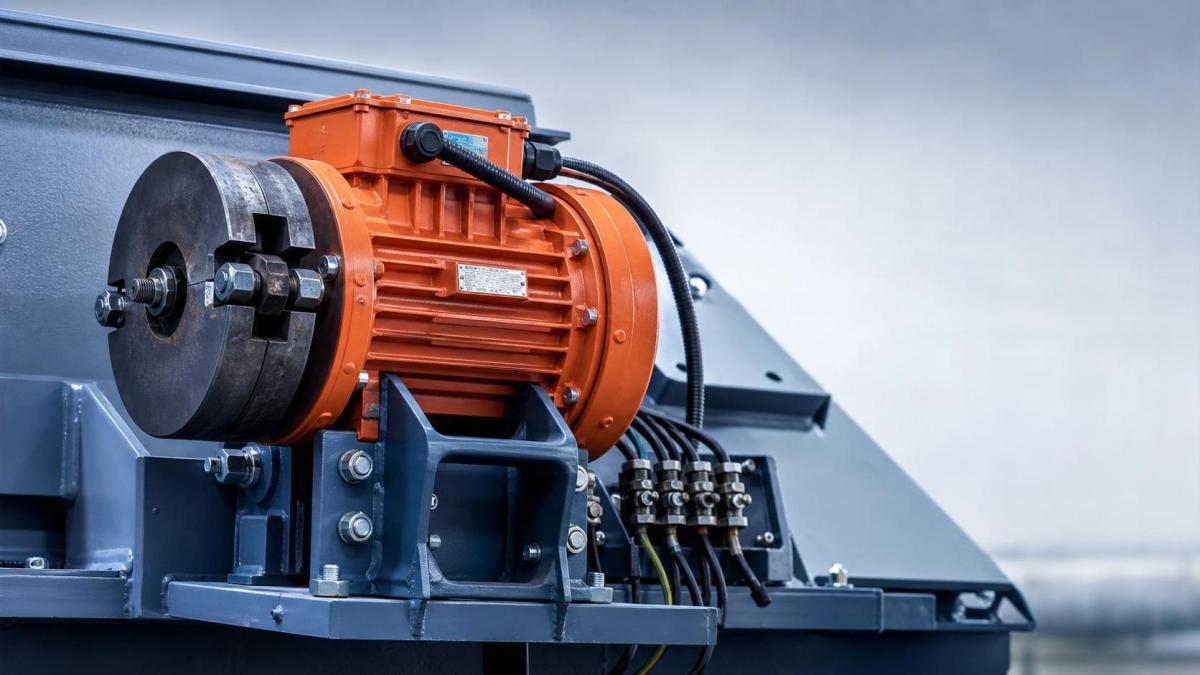
When a vibratory electric vibrator begins to deliver weak or uneven vibration, equipment performance usually drops fast.
Material may stop flowing smoothly, the machine may shake irregularly, and repeated service calls can follow.
The earlier the fault is identified, the easier it is to avoid secondary damage and long downtime.
In real maintenance work, weak vibration rarely comes from one reason alone.
A vibratory electric vibrator can lose force because of power issues, mechanical wear, poor installation, or overload.
This guide focuses on practical checks that help restore stable and even vibration faster.
Start With the Most Visible Symptoms
Before opening the motor housing, confirm exactly how the problem appears during operation.
A vibratory electric vibrator with low amplitude behaves differently from one with unstable output.
- Weak overall vibration from startup to shutdown
- Uneven vibration that changes with load
- Intermittent shaking with unusual sound
- Excessive heat together with reduced force
- One-sided vibration causing poor material distribution
These early signs help narrow the fault path before parts are removed.
Check the Power Supply First
Power instability is one of the most common causes of weak vibratory electric vibrator performance.
Low voltage reduces output force, while phase loss can create severe imbalance.
Measure supply voltage under running conditions, not only at idle.
A no-load reading may look normal, while the voltage drops sharply under production load.
What to inspect
- Input voltage against motor nameplate requirements
- Three-phase balance and current consistency
- Loose terminals, overheated cables, or oxidized connectors
- Contactors and overload protection status
If current is uneven across phases, the vibratory electric vibrator may run with unstable centrifugal force.
Inspect Eccentric Blocks and Fasteners
From recent field cases, loose eccentric blocks are a frequent source of uneven vibration.
When the block angle shifts, the vibratory electric vibrator no longer produces the intended excitation force.
Even a small angle difference can change material flow and create side-to-side movement.
Common mechanical faults
- Eccentric block bolts not tightened to specification
- Mismatch between left and right block angles
- Mounting bolts loosened by long-term vibration
- Cracks in support plates or base structure
After adjustment, run the unit briefly and recheck bolt torque once the system settles.
Look at Bearings, Heat, and Lubrication
A hotter housing is often a clearer signal than the vibration change itself.
If bearing resistance rises, the vibratory electric vibrator may still rotate, but output force weakens.
Listen for rough running, high-pitched noise, or periodic grinding.
These signs usually indicate lubrication failure or bearing wear.
Always use the grease grade and refill cycle recommended for the motor design.
Confirm Load and Installation Conditions
Sometimes the vibratory electric vibrator is healthy, but the connected machine conditions have changed.
Build-up, material bridging, or heavier feed can make normal vibration look weak.
This also means troubleshooting should include the full equipment path, not only the motor.
Verify these points on site
- Check whether springs, dampers, or brackets are damaged.
- Remove material accumulation around chutes, screens, or hopper walls.
- Confirm the installation surface remains level and rigid.
- Compare current process load with original design conditions.
A poorly supported frame can make a good vibratory electric vibrator appear defective.
Use a Simple Troubleshooting Sequence
In practical service work, a fixed sequence saves time and reduces missed checks.
- Observe the vibration pattern, sound, temperature, and load condition.
- Measure voltage and current during actual operation.
- Inspect mounting bolts, eccentric blocks, and structural supports.
- Check bearings, grease status, and shaft movement.
- Test again after each correction, one change at a time.
This approach makes root cause judgment more accurate and avoids replacing healthy parts.
Prevent Repeat Faults With Better Maintenance Records
Many repeat failures happen because the previous repair fixed symptoms, not operating conditions.
Record vibration changes, amperage, temperature, block settings, and load history after every service visit.
Over time, these records show whether the vibratory electric vibrator is facing wear, misalignment, or process overload.
For broader dust-handling and bulk material systems, related equipment condition also affects maintenance stability.
When reviewing site-wide performance, it can be useful to compare supporting process solutions such as Boiler Dust Collector / Boiler Bag Filter.
A stable vibratory electric vibrator depends on accurate diagnosis, disciplined inspection, and steady follow-up action.
Once the real cause is confirmed, vibration output usually returns to normal with fewer repeat interventions.
Search from here
Get Free Quotes