



Air Cooled Electromagnetic Iron Separator: When Is It Better Than Oil Cooled?
Choosing the right separator can directly affect uptime, maintenance costs, and metal removal efficiency. For technical evaluators comparing cooling methods, an air cooled electromagnetic iron separator often stands out where clean operation, simpler maintenance, and lower oil-related risks matter most. Understanding when it performs better than oil cooled models helps ensure a more reliable and cost-effective selection for demanding industrial applications.
In bulk material handling, cement, mining, power, and recycling lines, cooling method is not a secondary feature. It influences installation complexity, temperature control, cleaning frequency, safety exposure, and total lifecycle cost over 3 to 8 years of operation.
For technical evaluators reviewing separator options from suppliers such as Weifang Yuansheng Magnetic & Electrical Equipment Co., Ltd., the key question is practical: under which operating conditions does an air cooled electromagnetic iron separator deliver better value than an oil cooled model?
How Cooling Method Changes Separator Performance
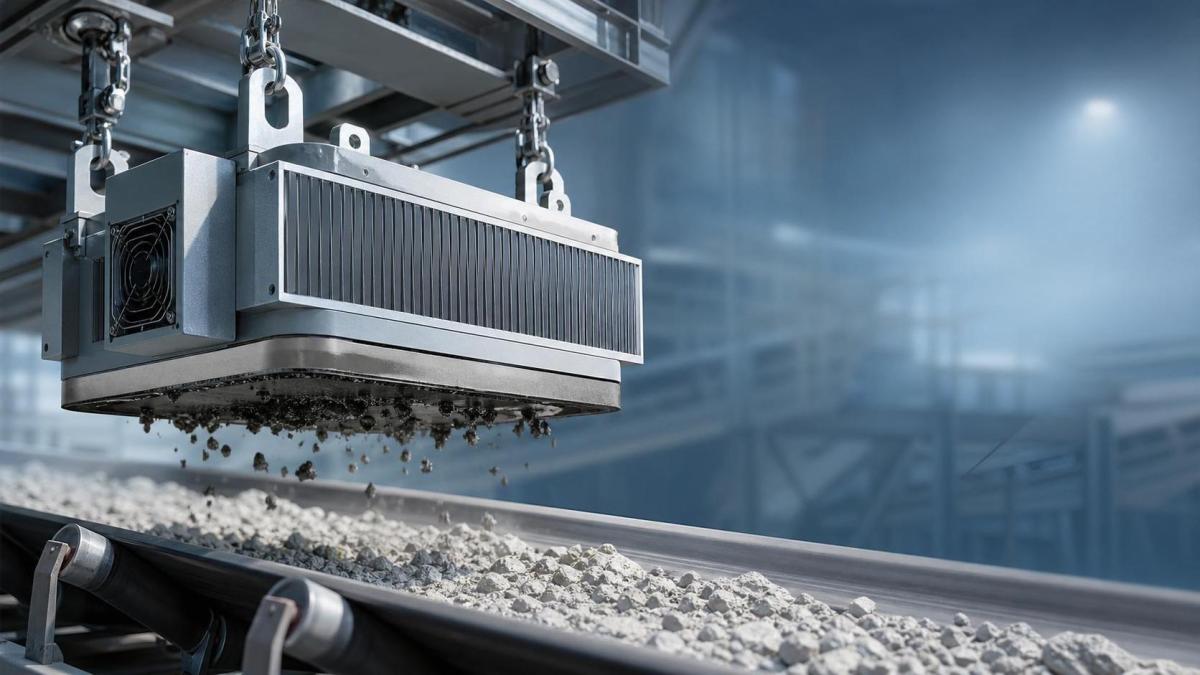
An electromagnetic iron separator removes tramp iron from conveyed material by generating a controlled magnetic field. The cooling system keeps coil temperature within a stable range, commonly below 80°C to 105°C depending on insulation class, duty cycle, and ambient conditions.
In an air cooled electromagnetic iron separator, heat is released through fins, airflow channels, and fan-assisted dissipation. In an oil cooled unit, the coil transfers heat into insulating oil, which then circulates and releases heat through a larger thermal mass.
Why technical teams compare these two designs
The decision usually involves 4 factors: thermal stability, maintenance effort, installation environment, and contamination risk. On lines running 8 to 20 hours per day, even small differences in service intervals or cleaning workload can affect annual operating cost.
Core differences at a glance
The table below highlights where each cooling method typically fits. These are common engineering comparisons used during pre-purchase evaluation rather than fixed rules, because actual performance also depends on belt speed, burden depth, suspended height, and ferrous contamination level.
For many general industrial conveying systems, the air cooled design gains an advantage because it reduces non-process variables. Technical teams do not need to manage oil quality, leakage response, or extra shutdown checks linked to fluid-based cooling components.
When an Air Cooled Electromagnetic Iron Separator Is the Better Choice
An air cooled electromagnetic iron separator is usually the stronger option when the process requires reliable ferrous removal without the maintenance burden associated with oil systems. This is especially true in facilities that value cleanliness, quick access, and straightforward daily inspection routines.
1. When clean operation is a priority
In cement plants, powder handling stations, and enclosed conveyor galleries, housekeeping can directly affect safety and uptime. Eliminating cooling oil removes one possible contamination source. That matters in plants where 1 spill can trigger several hours of cleanup and inspection.
2. When maintenance resources are limited
Many sites operate with lean maintenance crews, particularly across 2 or 3 shifts. Air cooled units are often easier to inspect visually. Common tasks include fan operation checks, dust removal from heat-dissipation surfaces, and electrical connection verification during scheduled service windows.
3. When ambient conditions are moderate and ventilation is adequate
If ambient temperature stays within a typical industrial range such as 0°C to 40°C, and the separator is installed with enough clearance for airflow, air cooling is often sufficient. Proper spacing around the unit can be as important as magnet strength during continuous operation.
4. When easier installation and replacement matter
Projects with tight commissioning timelines, often 7 to 15 days for line upgrades, benefit from simpler equipment integration. Air cooled systems generally reduce concerns about oil transport, sealing during lifting, and condition checks after long-distance shipment.
Typical situations where air cooled units perform well
- Conveyor lines with medium burden depth and stable feed rate
- Plants requiring low-maintenance auxiliary equipment
- Installations where cleanliness and environmental control are important
- Retrofit projects with limited space for service access
- Operations seeking lower oil-related inspection workload over 12-month cycles
When Oil Cooled Models May Still Be Preferred
A balanced evaluation also requires knowing where oil cooled separators remain advantageous. In very demanding duty conditions, oil cooling can provide stronger thermal buffering, especially where separators face high ambient heat, larger suspended heights, or long uninterrupted operating hours.
High thermal load and extreme duty cycles
If the separator runs 20 to 24 hours per day over heavy burden conveyors, or near kilns, crushers, and high-heat processing zones, oil cooled construction may better support temperature stability. This can matter where coil overheating would reduce magnetic performance or shorten insulation life.
Large material throughput and higher suspension height
Where the magnet must work at greater distances above the belt, more excitation may be needed. That increases heat generation. In these cases, technical teams should compare cooling method together with pole design, conveyor width, belt speed, and target iron size.
The table below can help evaluators identify which cooling route is more practical for common plant conditions.
This comparison shows that the better choice is not about one technology replacing the other in every case. It is about matching the separator to actual process heat load, service capability, and site risk profile.
Key Selection Criteria for Technical Evaluators
To avoid under-sizing or over-specifying, evaluators should use a structured review process. Focusing only on initial price can create hidden costs later through missed ferrous removal, unplanned stoppages, or maintenance complexity.
Five checks before final selection
- Confirm conveyor width, belt speed, and burden depth.
- Define the largest and smallest ferrous contaminants that must be removed.
- Measure installation height and available airflow clearance.
- Review duty cycle, such as 8 hours, 16 hours, or 24 hours per day.
- Match maintenance capability to the cooling system’s service demands.
Common evaluation mistakes
A frequent mistake is assuming stronger cooling alone guarantees better separation. In reality, metal removal efficiency also depends on magnetic field reach, material layer thickness, and separator positioning. Another mistake is ignoring dust accumulation on fins or fans in air cooled installations.
Technical teams should also review service intervals in realistic plant conditions. A dusty plant may need external cleaning every 2 to 4 weeks, while a cleaner enclosed system may stretch that interval to 6 to 8 weeks.
Maintenance, Risk Control, and Long-Term Cost
From a lifecycle perspective, an air cooled electromagnetic iron separator often appeals to plants aiming to reduce routine maintenance variables. Fewer fluid-related checks can simplify preventive maintenance plans and make fault diagnosis more direct for electrical and mechanical teams.
Practical maintenance priorities
- Inspect fan operation and noise level during each weekly round
- Remove dust buildup from cooling surfaces at scheduled intervals
- Check cable integrity, terminal tightness, and power stability monthly
- Verify separator suspension height after conveyor maintenance or belt replacement
Where cost savings usually come from
Savings are often indirect rather than dramatic on day one. They come from fewer oil-related inspections, fewer contamination response events, and shorter service routines. Over 12 to 36 months, these factors can influence labor hours and planned shutdown efficiency more than the initial equipment delta.
For buyers in general industrial parts and bulk handling applications, that makes the air cooled configuration a practical solution when process demands are firm but not extreme, and when maintenance simplicity supports higher overall equipment availability.
Making the Right Decision for Your Line
The best separator choice depends on duty cycle, plant environment, access for maintenance, and the size and frequency of tramp iron. If your line values clean operation, simpler upkeep, and lower oil-related risk, an air cooled electromagnetic iron separator is often the more efficient and easier-to-manage option.
Weifang Yuansheng Magnetic & Electrical Equipment Co., Ltd. supports industrial users with electromagnetic iron separators, permanent magnetic iron separators, magnetic separators, conveyors, and other process-support equipment for material handling and contamination control. For lines that also require non-ferrous separation after iron removal, you can further explore Eddy Current Separator solutions as part of a broader sorting layout.
If you are comparing cooling methods for a new project or retrofit, now is the right time to review your duty data, service conditions, and separation target. Contact us to discuss product details, request a tailored recommendation, or learn more about integrating an Eddy Current Separator into a complete material separation system.
Search from here
Get Free Quotes