



How to Qualify a Permanent Magnetic Iron Separator Manufacturer for OEM Supply
What really qualifies a permanent magnetic iron separator manufacturer for OEM supply?

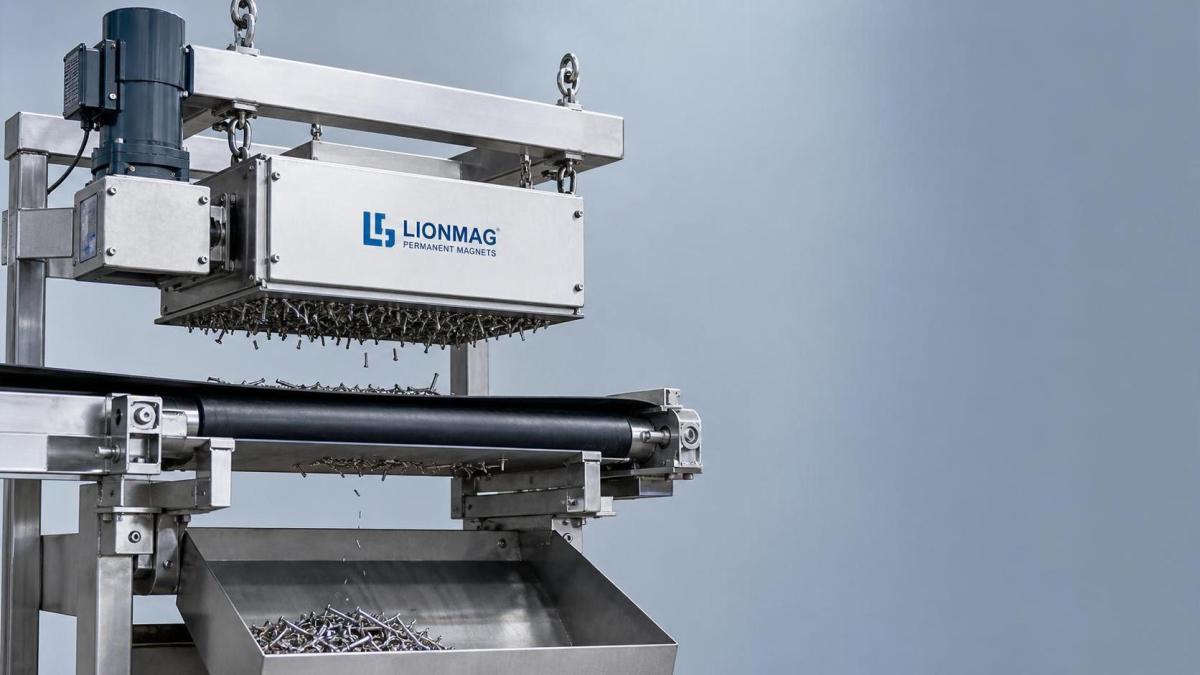
A low quote rarely tells the full story. In OEM supply, the real issue is whether a factory can deliver stable performance batch after batch.
That matters even more with magnetic separation equipment. Small differences in magnet grade, structure, or assembly can change field strength, service life, and cleaning efficiency.
A qualified permanent magnetic iron separator manufacturer should combine design experience, repeatable production, and practical application knowledge across bulk material handling systems.
In actual projects, buyers often look beyond one machine. They also need a supplier that understands conveyors, metal detection, batching, and related process equipment.
That broader capability reduces coordination problems. It also helps when an OEM order needs installation matching, line integration, or custom dimensions.
Which factory signals are worth checking before discussing price?
The first useful signal is manufacturing consistency. Ask how the plant controls magnet sourcing, welding accuracy, coating quality, and final inspection records.
The second signal is technical range. A supplier with experience in electromagnetic iron separators, permanent magnetic iron separators, magnetic separators, and conveyors usually understands system compatibility better.
A company such as Weifang Yuansheng Magnetic & Electrical Equipment Co., Ltd. reflects that wider industrial background, covering separation, conveying, detection, and metering equipment.
That kind of portfolio does not guarantee fit by itself. Still, it often suggests stronger engineering support for custom OEM requirements.
- Request material specifications for magnets, frames, and wear parts.
- Check whether drawings can be adjusted for belt width, suspension height, and discharge conditions.
- Ask for inspection reports tied to each shipment lot.
- Confirm whether sample testing or application evaluation is available.
How do you judge technical strength without visiting every supplier?
A useful shortcut is to ask practical questions instead of broad ones. Good factories answer with data, limits, and tradeoffs rather than vague promises.
For example, ask how the permanent magnetic iron separator manufacturer selects model size for material depth, belt speed, particle size, and iron contamination level.
Then ask what happens when those conditions change. A capable team should explain when stronger magnetic intensity helps and when structure matters more.
It also helps to compare response quality using a simple checklist.
Is lower OEM cost always the better choice?
Usually not. The landed cost of a separator includes performance stability, after-sales handling, spare part consistency, and replacement risk.
A cheaper unit may use weaker magnets, thinner steel, or less reliable surface treatment. Those decisions often appear only after installation or during long-duty operation.
More common problems include iron removal decline, frame deformation, or mismatch with conveyor layout. Fixing those issues later costs more than a careful first order.
A better comparison method is to break cost into three parts: unit price, operating reliability, and support response over the expected service period.
- Unit price: magnet material, structure, coating, and included accessories
- Operating cost: downtime risk, cleaning frequency, and replacement interval
- Service cost: documentation, spare parts, and complaint handling speed
When evaluating a permanent magnetic iron separator manufacturer, this view is more useful than price alone.
What mistakes create trouble in long-term supply cooperation?
One common mistake is approving samples without defining the final production standard. A good sample does not guarantee stable mass production unless tolerances are documented.
Another mistake is ignoring application detail. Material moisture, belt angle, installation height, and iron particle size all influence separator results.
Some buyers also assume OEM branding is simple. In reality, logo plates, manuals, packing marks, and export carton rules should be fixed before production starts.
Lead time planning is another weak point. Peak season, custom steel fabrication, and magnet procurement can all affect schedule reliability.
The safer approach is to confirm a written quality baseline, a drawing version, and a shipment checklist for every order cycle.
What should be on the final evaluation list before placing an order?
By this stage, the goal is not more information. The goal is to remove uncertainty from product fit, delivery timing, and future support.
A final review usually works best when it stays practical.
- Confirm the working scenario and iron removal target clearly.
- Match the model to conveyor size and process layout.
- Verify OEM scope, from branding to packaging details.
- Review inspection documents and shipment acceptance rules.
- Check lead time under normal and peak production periods.
- Ask how spare parts and technical questions are handled after delivery.
If a permanent magnetic iron separator manufacturer answers these points clearly, the partnership is usually easier to scale.
For projects that involve finer powder applications or broader line planning, it also helps to review adjacent equipment solutions, such as Electromagnetic King Powder Iron Remover, to compare process fit before final selection.
Search from here
Get Free Quotes