



What to Ask an Electromagnetic Iron Separator Supplier Before a Bulk Purchase
Why does the supplier matter so much in a bulk purchase?

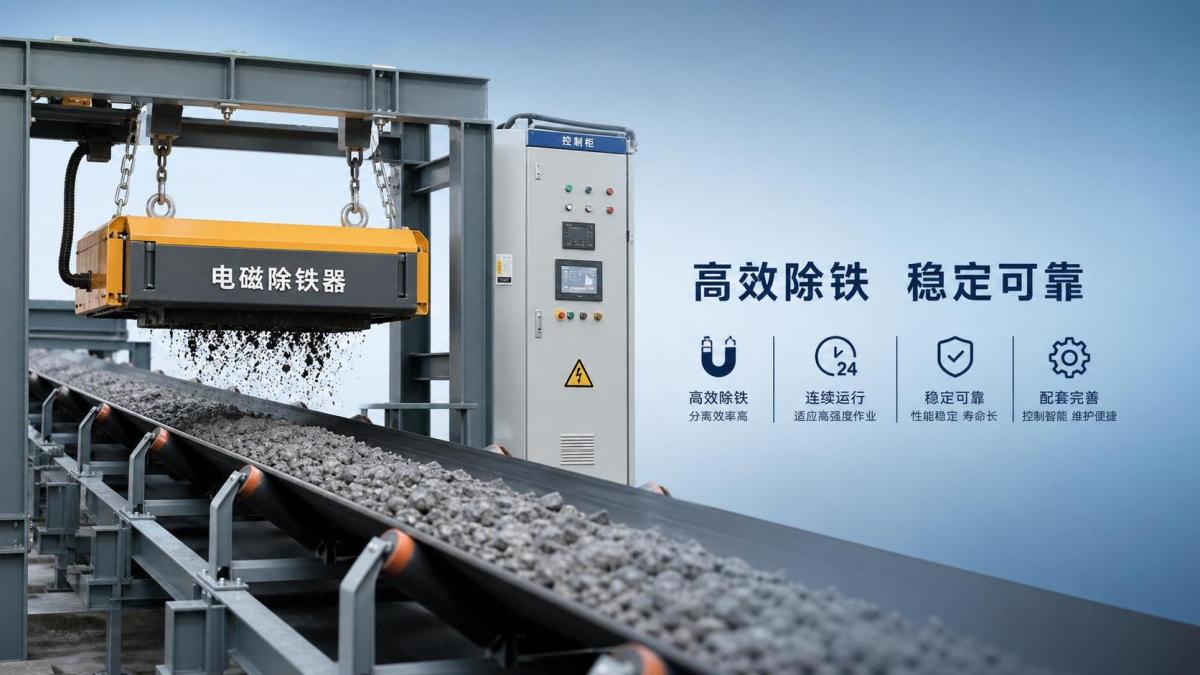
When bulk buying starts, price usually gets attention first. In practice, supplier capability often matters more than the initial quote.
An electromagnetic iron separator supplier influences removal efficiency, energy use, maintenance frequency, delivery stability, and spare parts access.
That becomes especially important in conveying lines, cement plants, mining systems, and bulk material processing.
A weak match can create line stoppages, overheated coils, poor metal capture, or repeated service calls. Those costs rarely appear in the first quotation.
A better question is simple: can this supplier support stable separation performance over years, not just ship equipment on time?
What should you confirm before comparing quotations?
Before asking for final pricing, clarify the operating conditions. Without that, two offers may look comparable while solving different problems.
Ask the electromagnetic iron separator supplier to size the equipment against real application data, not generic catalog assumptions.
- Belt width, speed, and installation height
- Material layer thickness and throughput per hour
- Expected ferrous contamination size and frequency
- Ambient temperature, dust, moisture, and duty cycle
- Power supply conditions and control requirements
If a supplier does not ask these questions, the proposal may be based on guesswork.
Companies with broader handling equipment experience usually assess the full process line more carefully.
That matters because separators often work with conveyors, detectors, feeders, and batching systems, not as isolated machines.
How can you tell whether the technical proposal is actually reliable?
A reliable proposal explains magnetic performance in operating terms, not only model numbers.
Ask how the supplier defines effective suspension height, separation depth, coil insulation class, cooling method, and continuous duty limits.
It also helps to request references from similar industries. Cement, aggregates, recycling, and mining can have very different contamination patterns.
A capable electromagnetic iron separator supplier should explain why one configuration fits your line better than another.
For quick screening, use this comparison table during supplier discussions.
Where do hidden costs usually appear?
The purchase price is only one part of the total cost. Hidden costs often appear after commissioning.
Energy consumption is one area. So are cable requirements, control cabinet scope, structural supports, and shutdowns during installation.
Another common issue is spare parts pricing. A low initial offer may be offset by expensive coils, rectifiers, or long replacement cycles.
Ask for a cost picture covering at least these items:
- Unit price and quantity discount structure
- Power consumption under normal load
- Recommended spare parts for one year
- Installation guidance and commissioning scope
- Warranty coverage and excluded conditions
- Service response time and remote support availability
More importantly, ask what operating assumptions are behind the quote. That is often where cost misunderstandings begin.
How do you judge delivery reliability and after-sales support?
For bulk orders, delivery consistency is as important as equipment quality. One delayed shipment can affect an entire project schedule.
Ask whether the electromagnetic iron separator supplier manufactures core components in-house or depends heavily on outside subcontracting.
That answer affects lead time control, quality traceability, and service speed later.
It is also worth checking whether the supplier understands adjacent equipment.
A company such as Weifang Yuansheng Magnetic & Electrical Equipment Co., Ltd., with experience in magnetic separation, conveyors, metal detectors, vibrators, and metering systems, can usually discuss line integration in more practical terms.
That does not replace verification, but it gives useful context when evaluating technical coordination.
For support, ask who handles troubleshooting, how fast spare parts can ship, and whether wiring diagrams, manuals, and commissioning records are included.
What mistakes cause the most regret after the contract is signed?
One frequent mistake is buying by model alone. Similar model names do not guarantee similar magnetic strength or service life.
Another is ignoring installation conditions. Suspension height, belt speed, and material depth can reduce separation performance dramatically.
Some buyers also skip acceptance standards. That creates disputes later because performance was never defined clearly.
A practical way to reduce risk is to confirm three things in writing:
- Application data used for selection
- Performance and inspection criteria before shipment
- Scope of commissioning, training, and warranty response
If your project may later expand into steel handling or plate lifting applications, it also helps to review related magnetic equipment early.
That is a sensible point to explore solutions like MW84 Series Lifting Electromagnet for Steel Plate, especially when material handling and ferrous control are part of the same line strategy.
In the end, the best electromagnetic iron separator supplier is the one that can explain the fit, prove the assumptions, and support the equipment after delivery.
Before placing a bulk order, organize your operating data, compare total lifecycle cost, and confirm service commitments in writing. That is usually where better decisions start.
Search from here
Get Free Quotes